1. Birbhum before the poets
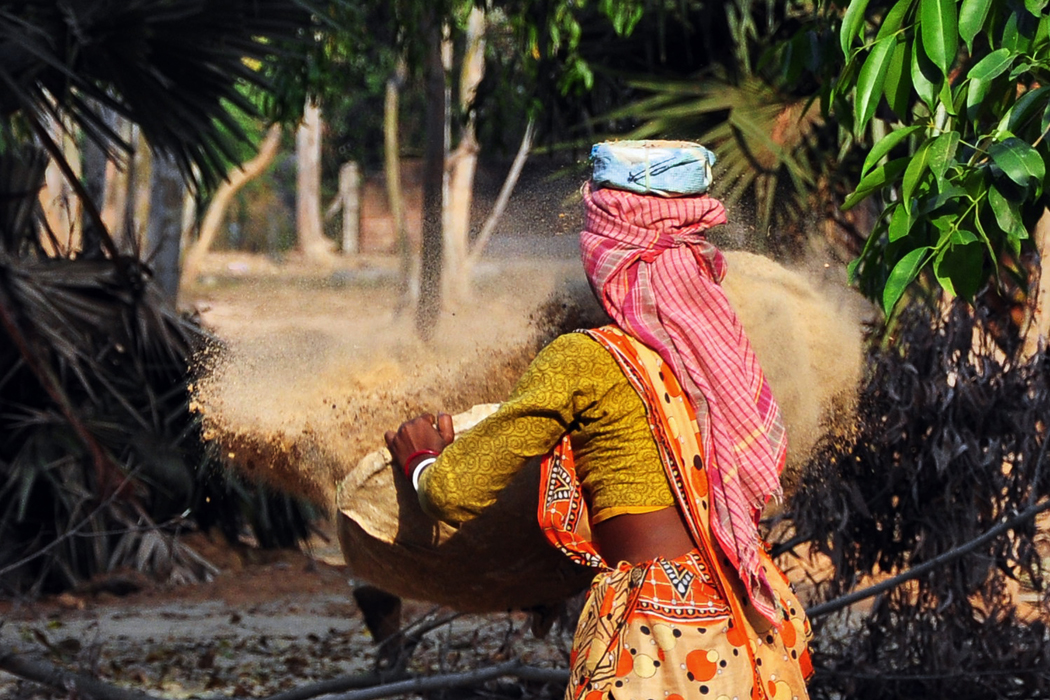
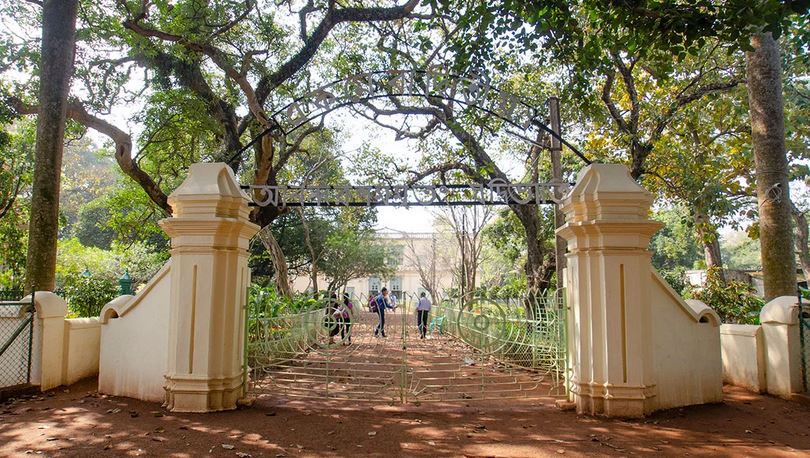
Birbhum’s story begins long before any map wrote the name Santiniketan. The district, its name literally meaning "land of the brave" is stitched with ancient villages, terracotta temples, and a people whose lives move to the rhythms of fields and festivals. Archaeological finds and temple inscriptions remind us of an agrarian civilisation where craft and ritual shaped the days. The land here is generous: clay for pottery, cotton for weaving, forests for wood and roots, and rivers that have fed both soil and story for centuries.
2. Tagore's arrival
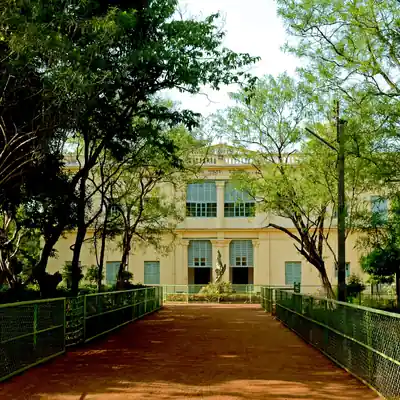
In the mid 1800s, Maharshi Debendranath Tagore bought a bit of this gracious earth as a family retreat. His son, Rabindranath Tagore, saw more than a retreat he saw a school in which learning would breathe alongside nature. The small Brahmacharya Ashram he started in 1901 eventually matured into Visva-Bharati University, an experiment in education that invited the world to study and to teach. The curriculum was radical for its time: open air classrooms, no rigid examinations, co learning with villagers, and a place where art and craft were as important as arithmetic.
Tagore’s influence turned Santiniketan into a magnet for artists and reformers. Painters like Nandalal Bose and Jamini Roy found in its fields a palette for modern Indian art. Musicians experimented with fusion, and poets wrote into the wind. The ideas forged here of cultural synthesis, of learning from rural life rippled across India and beyond.
“Trees are the poems that the earth writes upon the sky.”
3. The campus
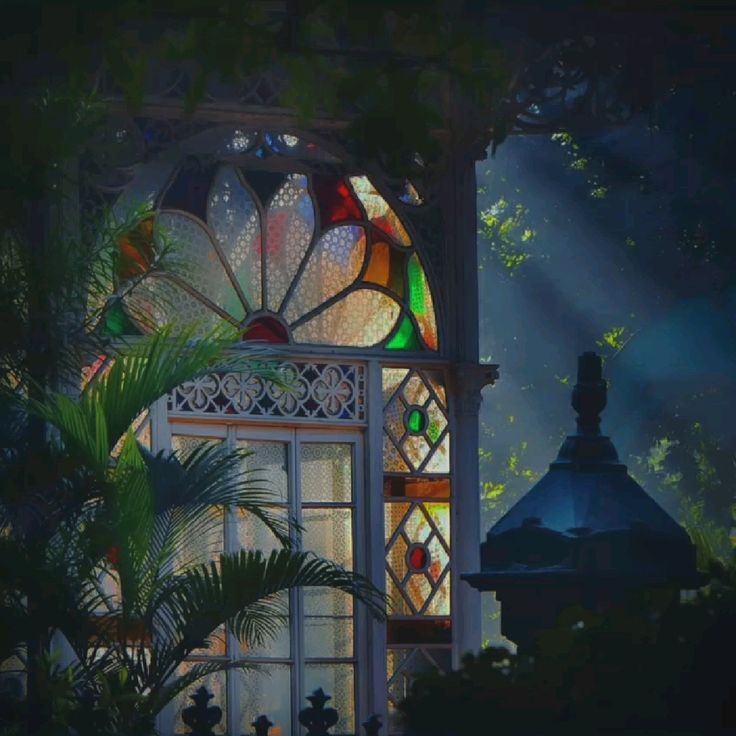
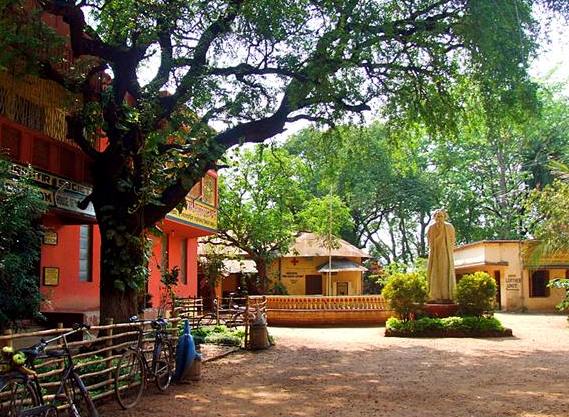
There is a special kind of hush in the Visva-Bharati courtyards at dawn. Students sit on low benches under trees; teachers move between discussions and pottery wheels. Kala Bhavana’s murals, Patha Bhavana’s open classrooms, and Sangeet Bhavana’s music halls are not relics but living places where craft is practiced and passed on. The campus design itself low slung buildings, courtyards, and open verandas invites curiosity and slow attention.
4. Sonajhuri & Kopai
Walk away from the campus and the town opens into small forests of Sonajhuri (shorea robusta relatives), fields, and the gentle Kopai river. In winter the Sonajhuri drops golden flowers that carpet the trails. The Kopai, winding and modest, has been a quiet subject in Tagore’s poems; its banks are perfect for sunset walks and slow picnics.
5. Crafts & Markets
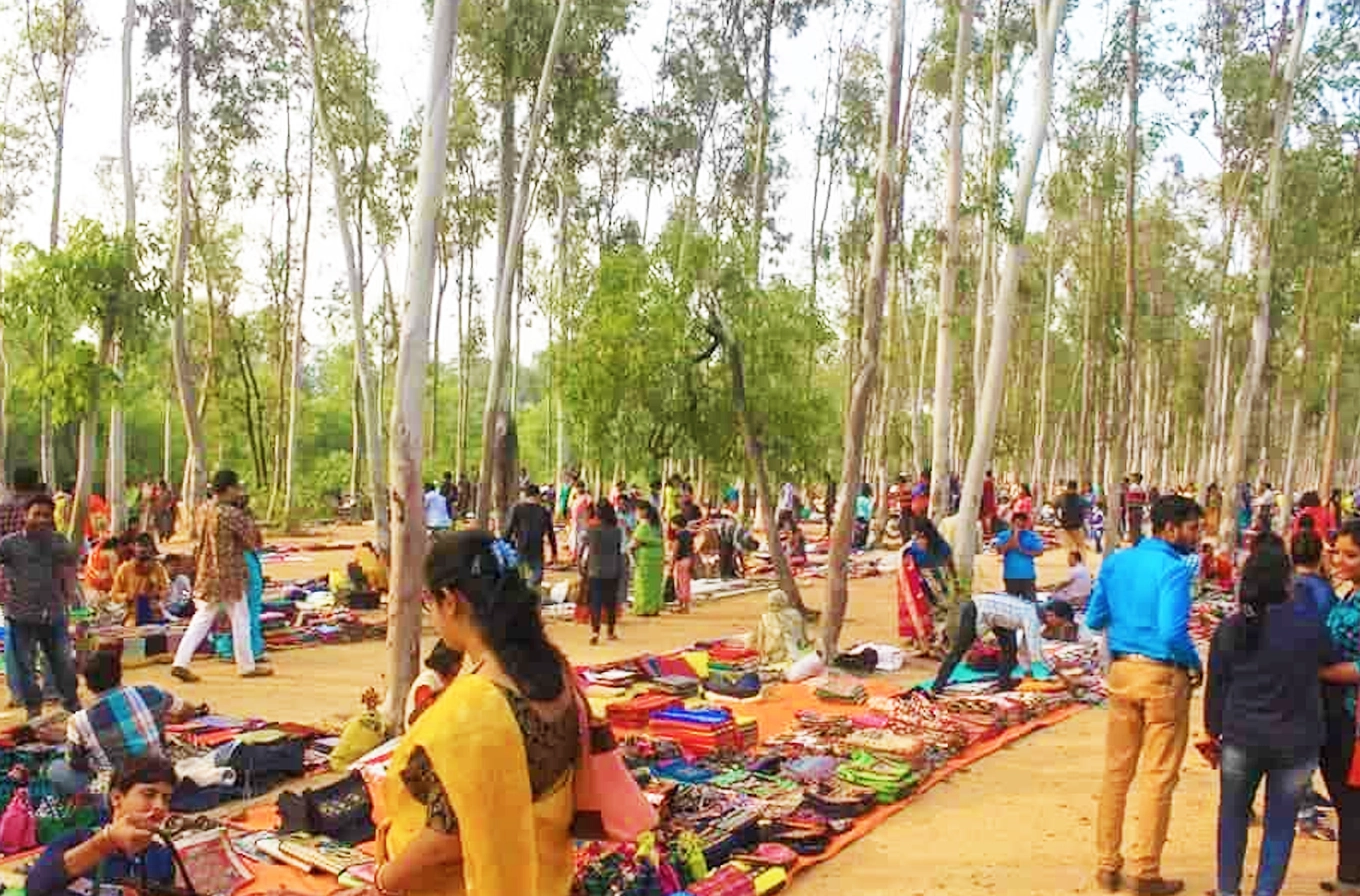
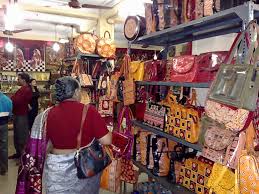
Amar Kutir, Sonajhuri Haat, and local weavers keep time with craft traditions. Batik printing, dokra metalwork, handloom weaving, and terracotta continue to be livelihoods and legacies. Buying a handloom stole or a small clay horse is not just a purchase it’s a tiny pledge to keep a skill alive.
6. Festivals
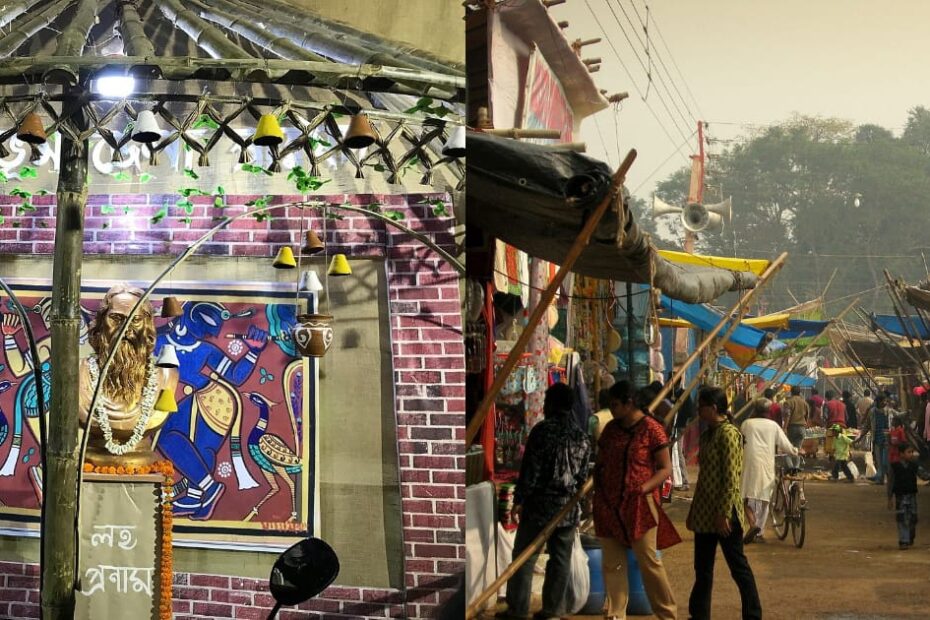
Poush Mela is perhaps the most celebrated of Santiniketan’s
festivals — a winter fair where music, folk art, handicrafts,
traditional food and Baul performances come together in a
vibrant celebration of Bengal’s rural culture. But the festive
calendar here extends far beyond this iconic gathering.
Dol Utsav, celebrated around March during Holi, is another
much-loved occasion in Santiniketan. Inspired by Tagore’s
vision of Basanta Utsav, it welcomes spring with colours,
music, dance and cultural performances, drawing visitors
from across the country.
Winter, in particular, brings a wonderful series of fairs
and cultural gatherings to the region. Alongside Poush Mela,
visitors can explore events such as Boi Mela (Book Fair),
Phool Mela (Flower Fair) and Khadi Mela, each offering
something different — from books and local literature to
flowers, handloom textiles and traditional crafts.
As spring approaches, Nabanna Mela adds another flavour
to the festive calendar, celebrating Bengal’s harvest
traditions, rural produce and agricultural heritage before
the arrival of Dol Utsav.
Beyond the larger celebrations, the surrounding villages
and neighbourhoods have their own seasonal gatherings,
folk performances and temple festivities. Together, these
events make Santiniketan much more than a tourist
destination. It is a place where art, literature, music,
nature and community life remain closely intertwined,
offering visitors a glimpse into the living cultural
traditions of Bengal.
7. Food
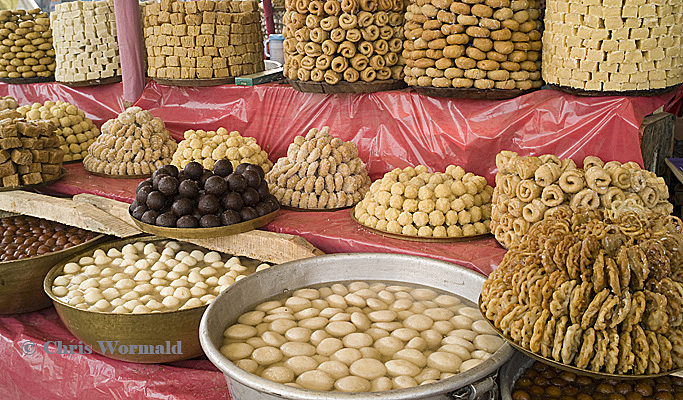
Food in Santiniketan has evolved beautifully over the years. Once known primarily for its traditional Bengali home-style cooking, the region has gradually developed into a vibrant culinary destination. Today, as a popular cultural and tourist hub, Santiniketan offers a diverse dining scene, with restaurants and cafes serving everything from authentic Bengali delicacies and traditional thalis to North Indian, Chinese and Continental cuisine. Bengali thalis, in particular, have become increasingly popular in recent years, with several restaurants specialising in elaborate spreads of local favourites. Alongside these, bakeries, coffee shops and contemporary cafes have also become an integral part of the region's food culture, offering freshly baked treats, artisanal coffees, desserts and relaxed dining experiences. Whether you are looking for a traditional Bengali meal or a cosy cafe to unwind after exploring the town, Santiniketan has something for every palate.
8. How to move
Getting there: Bolpur Shantiniketan railway station connects to Kolkata; road journeys from Kolkata take roughly 3.5 to 4 hours depending on traffic.
Local transport: Auto-rickshaws, cycle rickshaws, and private taxis are readily available.

9. The Pearl Club Resort
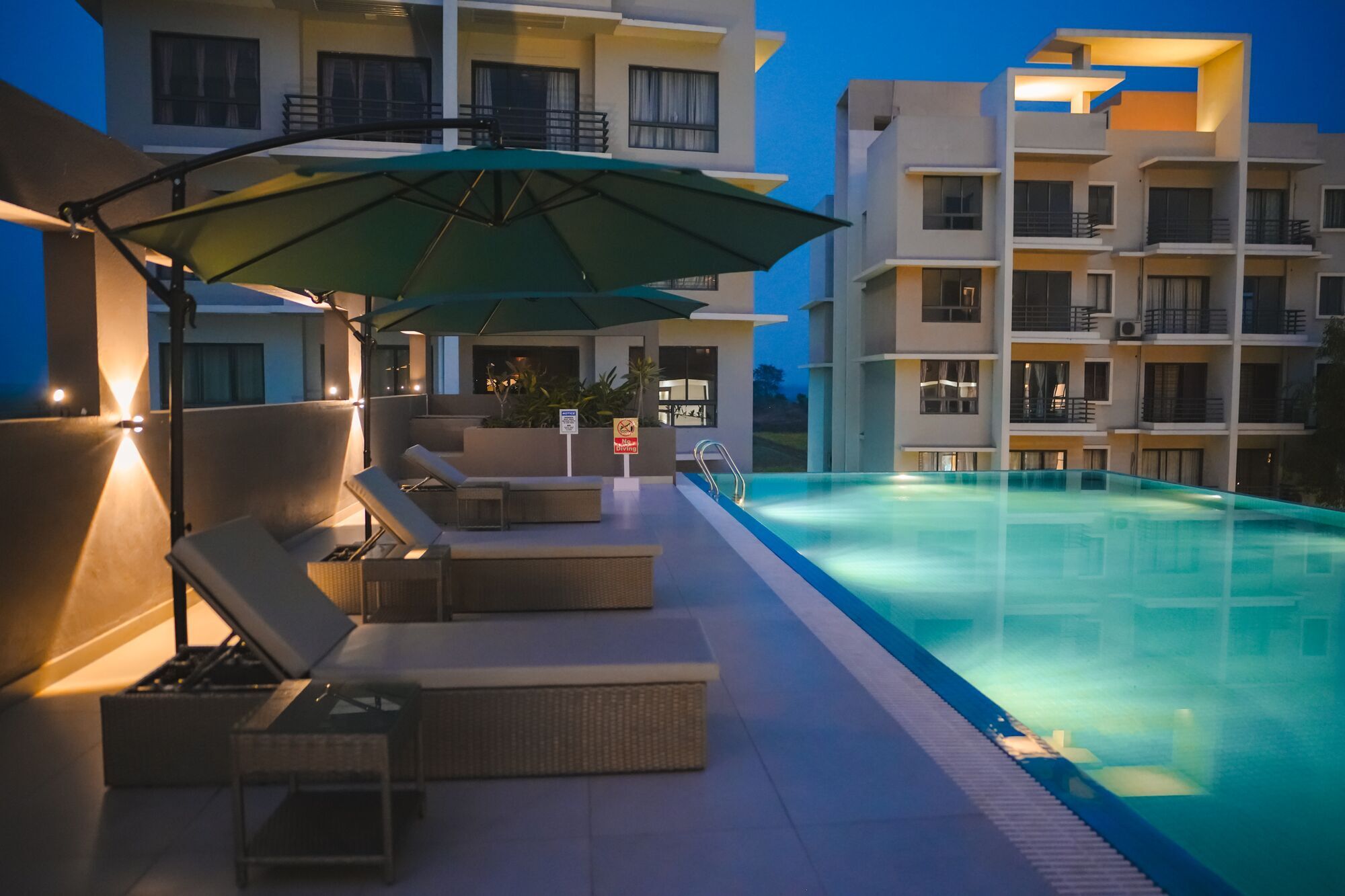
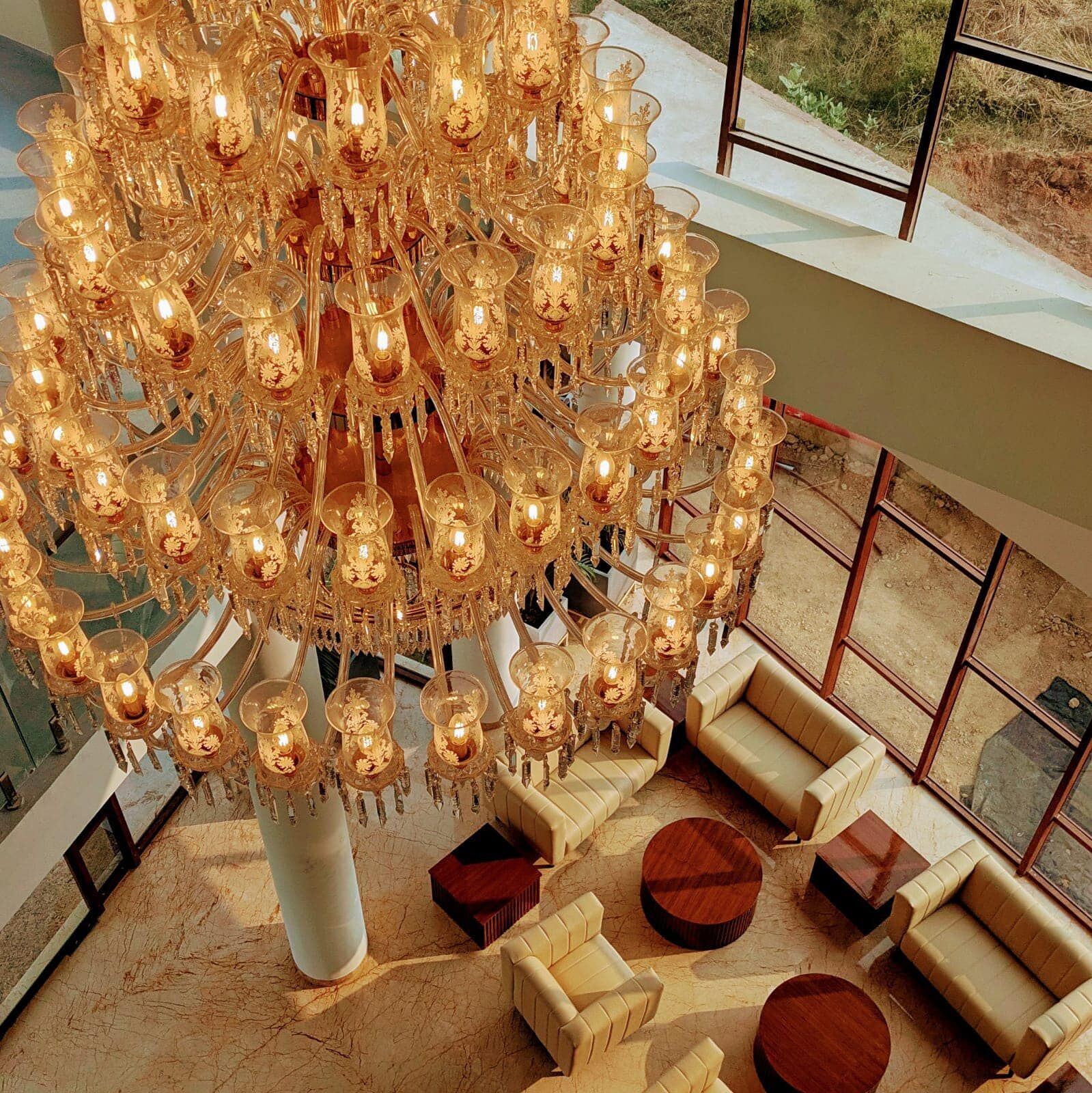
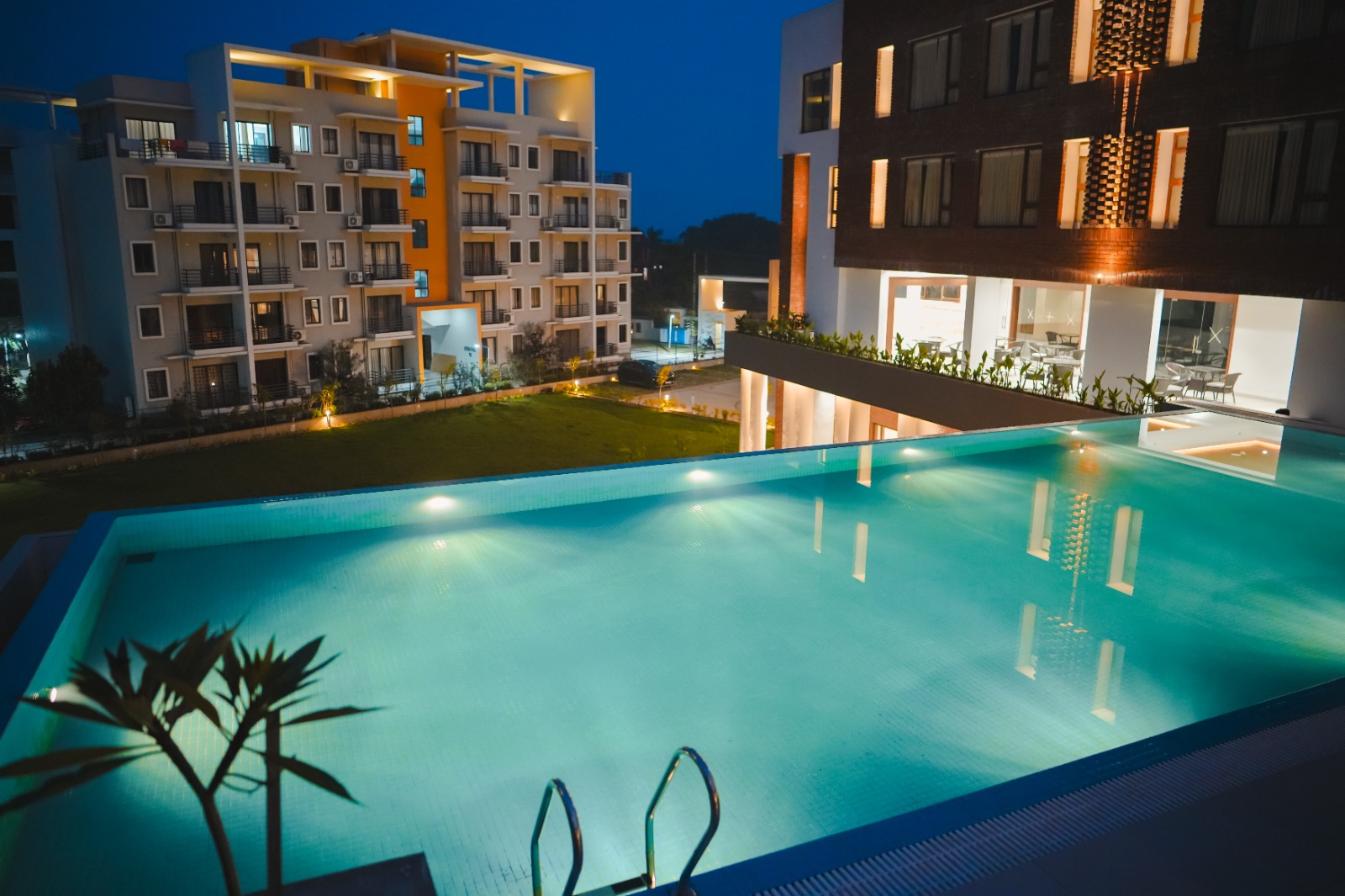
Set a short drive from the main campus and the Sonajhuri woods, The Pearl Club Resort is a gardened world of comfort and careful design. It is a property that understands silence and celebration in equal measure: a pool that holds the sky’s reflection, a garden where morning yoga loosens time, and public spaces that feel both private and welcoming.
10. Luxury delivered thoughtfully
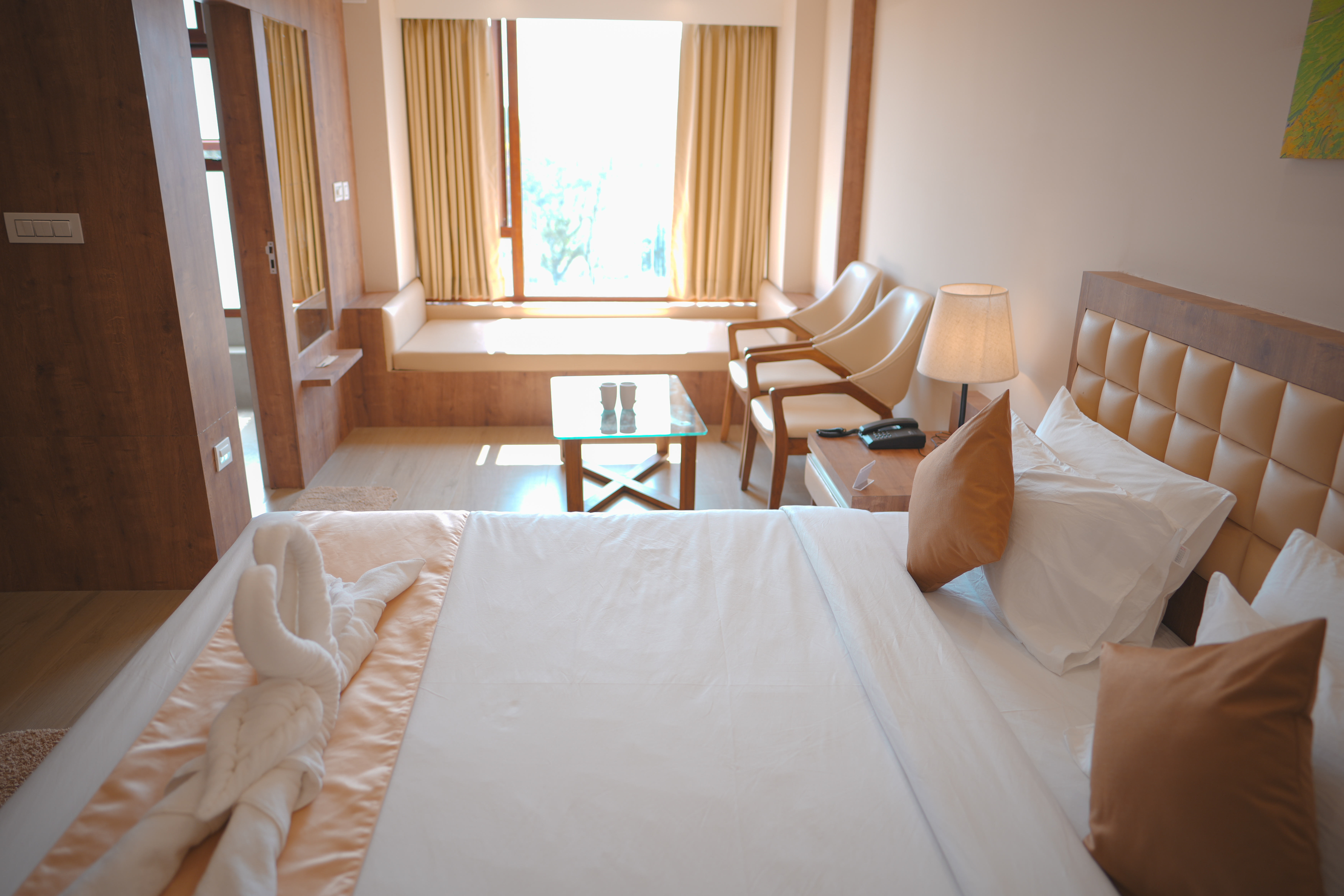
The Pearl Club Resort offers multiple accommodation styles to suit different kinds of travellers:
- Premier Rooms: Elegant rooms for solo travellers and couples with large windows, king/queen beds, modern ensuite bathrooms, and handcrafted furnishings.
- Private Bungalows: Standalone bungalows with private verandas, open courtyards, and room for up to 6 guests — ideal for families and small groups seeking privacy.
11. Facilities & experiences
Amenities include an infinity pool, a garden and lawn, a well equipped gym, a games room with pool, snooker, tennis etc and melodious baul nights.
12. The staff
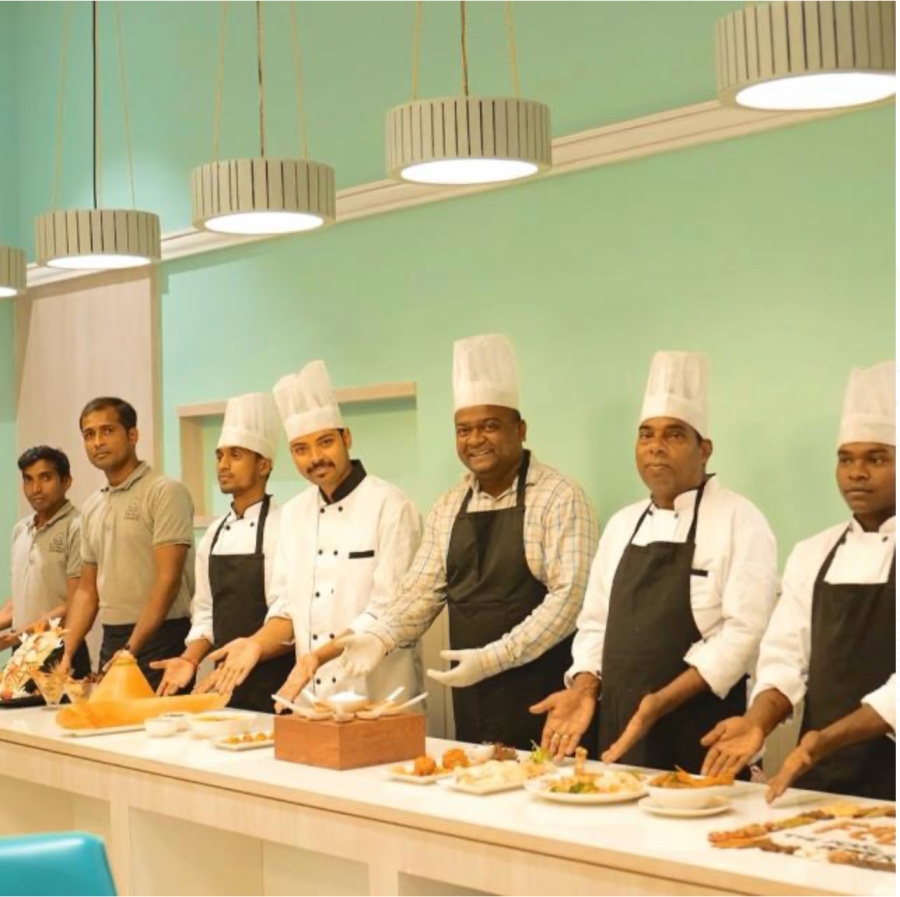
What makes The Pearl Club Resort more than a place to sleep is its people. The concierge remembers returning guests and arranges small surprises; the chef sources local ingredients and recreates family recipes with a refined touch; the housekeeping staff add delicate, human details — a sprig of marigold, a handwritten note, a familiar cup placed just so. Behind the scenes the maintenance crew and night team keep the property safe, serene, and immaculate.
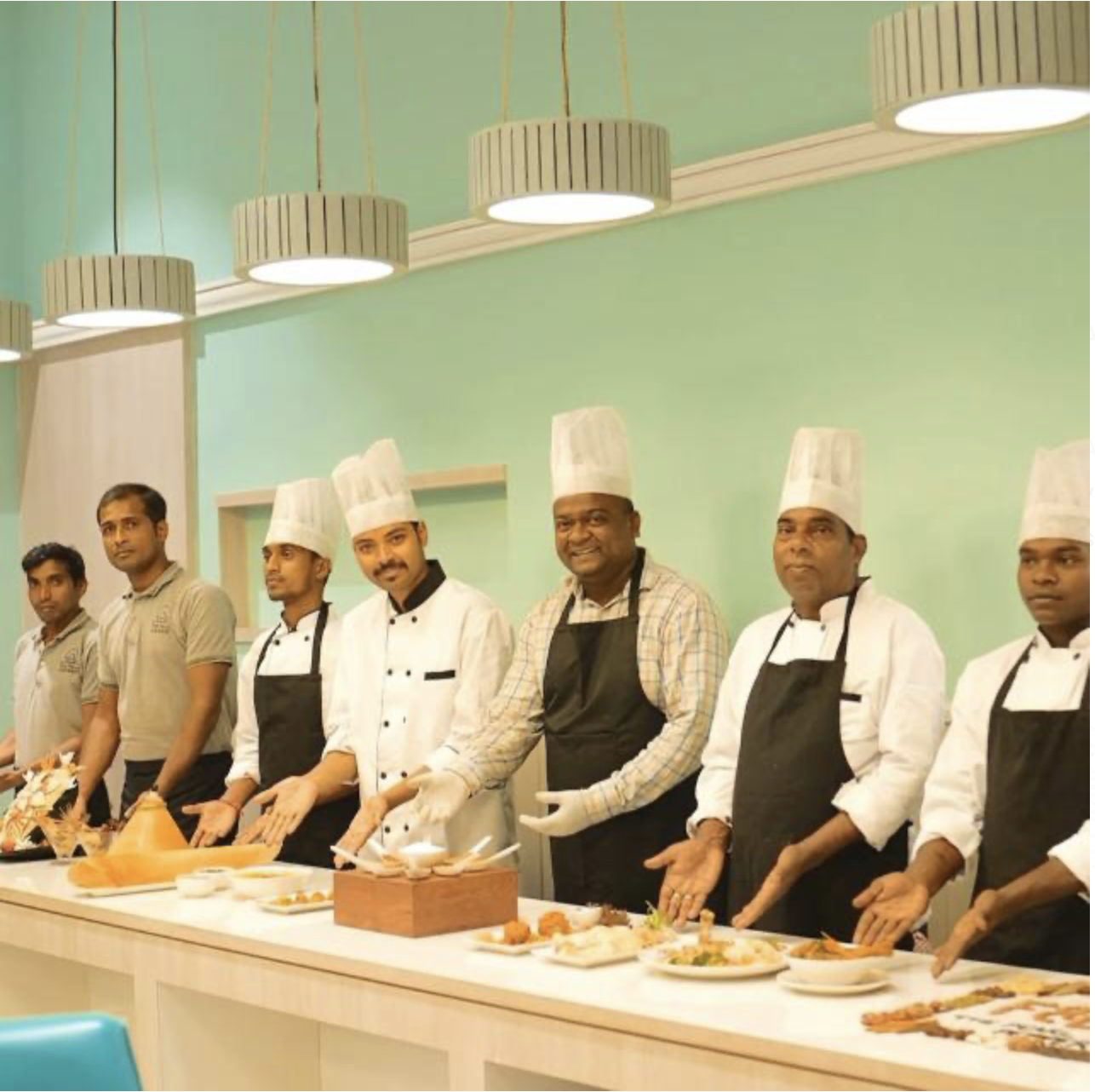
They are not service staff; they are storytellers and caretakers.
13. Suggested itinerary
- Day 1: Arrive, settle into The Pearl Club Resort, walk the garden, early dinner and an open-air music session.
- Day 2: Morning at Visva-Bharati (Patha Bhavana & Kala Bhavana), lunch at a local homestay, evening at Sonajhuri Haat.
- Day 3: Workshop (batik or pottery) at Amar Kutir, afternoon birdwatching at Ballabhpur Sanctuary, leisurely spa evening.
- Day 4: A dawn walk by Kopai river, checkout after a late brunch, with a packed picnic from the resort for the road.
14. Responsible travel & memories
Buy directly from artisans, avoid single-use plastics, and respect campus rules. Consider donating to local craft cooperatives, or booking a workshop where fees go directly to artisan groups — small acts that compound into real support.
Evenings in Santiniketan
When the day's sightseeing slows down, Santiniketan takes on a quieter rhythm. Spend the evening over coffee, good food and unhurried conversations at one of the town's charming cafés.
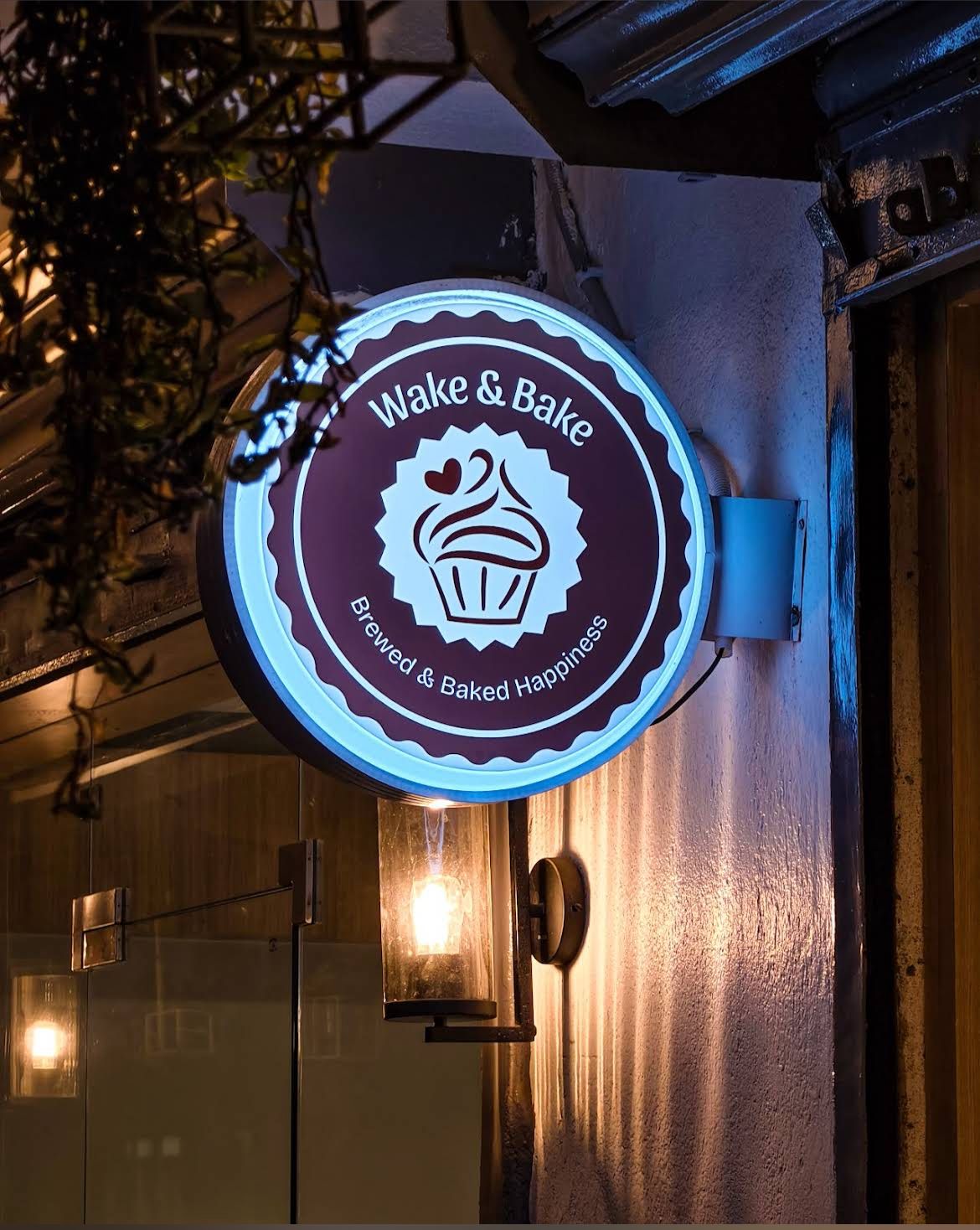
Wake & Bake Café
A cosy café for an easy evening over coffee, freshly baked treats and comforting continental food.
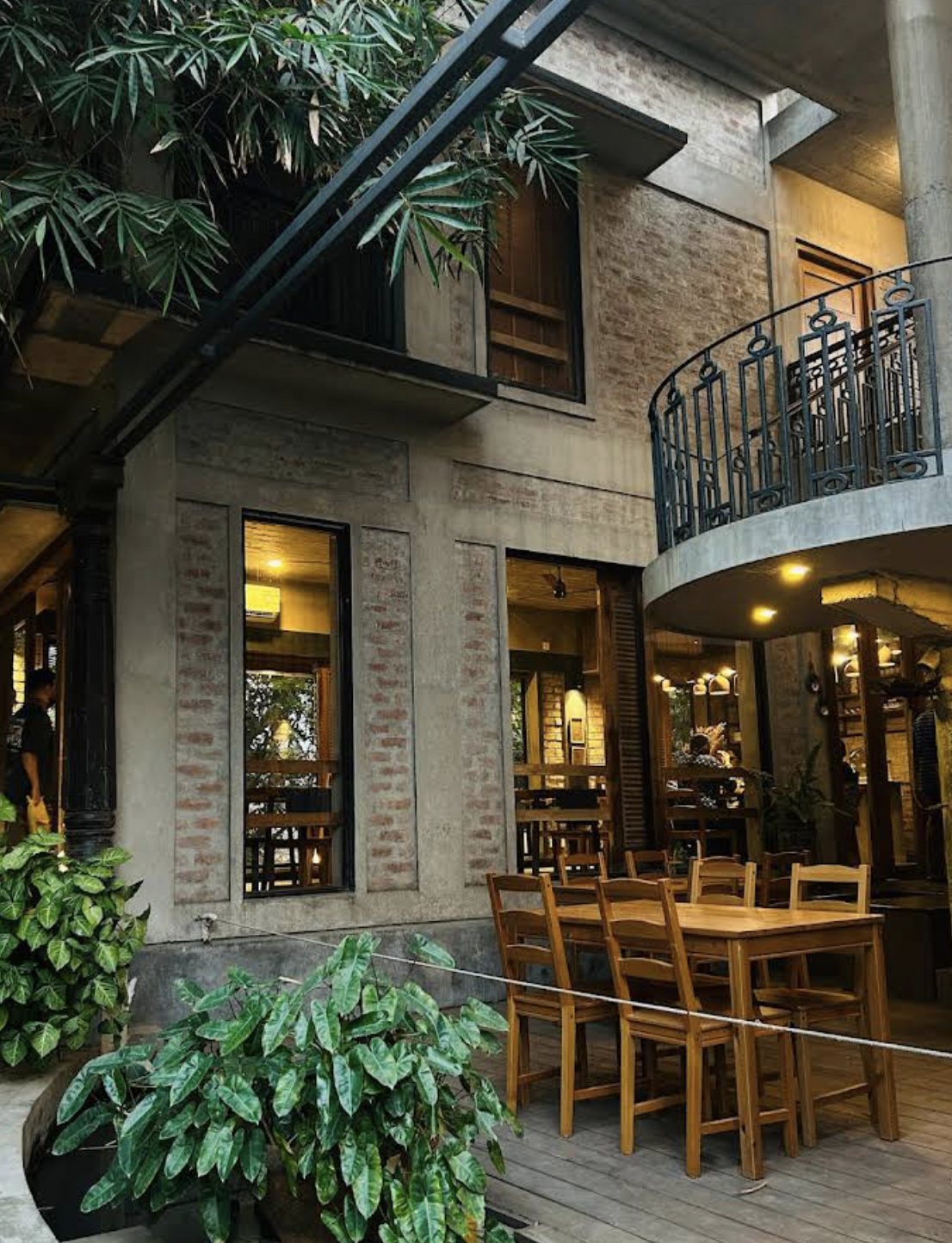
Amoli
Set within a beautifully curated space, Amoli brings together art, heritage and café culture.
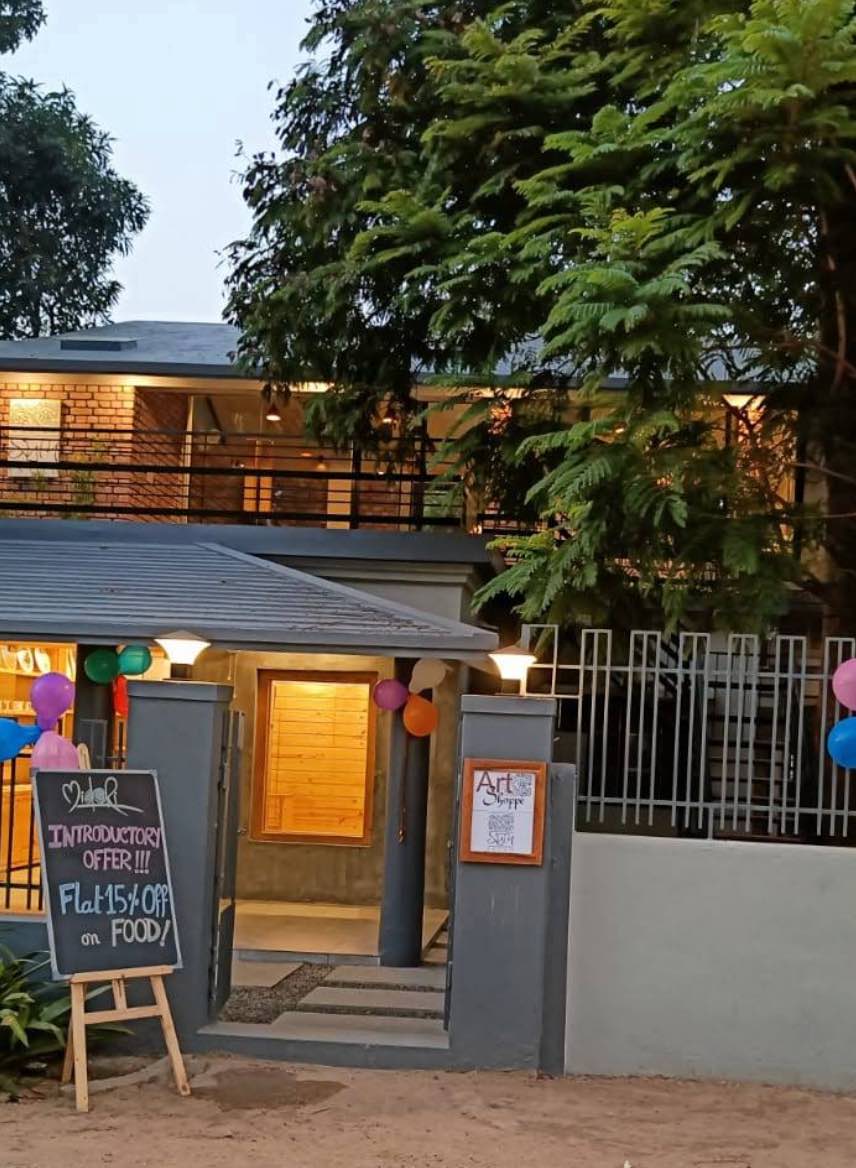
Café Midori
A small and relaxed café away from the busier parts of town.
After the red earth, museums and Sonajhuri trails, leave some time for coffee, conversation and the softer side of Santiniketan.